For many people, working from home started as a welcome change. There was freedom from the daily commute, more control over the schedule, and extra time to spend with family. But over time, many remote workers discovered that the comfort of home can blur into the demands of work. Days stretch longer, boundaries fade, and switching off becomes harder.
Recent surveys show that a large number of remote employees still struggle to maintain balance. The issue isn’t effort — it’s separation. When your living space doubles as your workplace, it takes structure and awareness to keep both parts of life from overlapping too much.
Finding balance at home isn’t only about time management. It also includes handling stress, maintaining focus, and staying organized — personally, professionally, and financially. This article looks at how to do that in practical ways, from creating space that supports focus to managing the routines and responsibilities that fill each day.
How Working from Home Can Ease Daily Stress
Remote work can reduce several kinds of stress that often come with office life. Without a daily commute, you save time and money, which can make your routine feel calmer and more flexible. You can also design your workday around your own rhythm — taking breaks when needed or adjusting your setup for comfort and focus.
Remote work can also ease certain financial pressures. Many people find they spend less on gas, lunches, or office wear, which can free up money to manage debts or savings more intentionally. For those keeping track of multiple loans or credit payments, a loan consolidation calculator can show how combining them into one payment might simplify things. While it’s not something everyone needs, it’s a useful example of how organizing your finances can support a more balanced and less stressful lifestyle.
Finding calm in remote work often begins with structure. The way you set up your environment plays a big role in how well you can separate work from personal time — and that’s where a defined workspace can make all the difference.
1. Designate a Space That Signals Work Mode
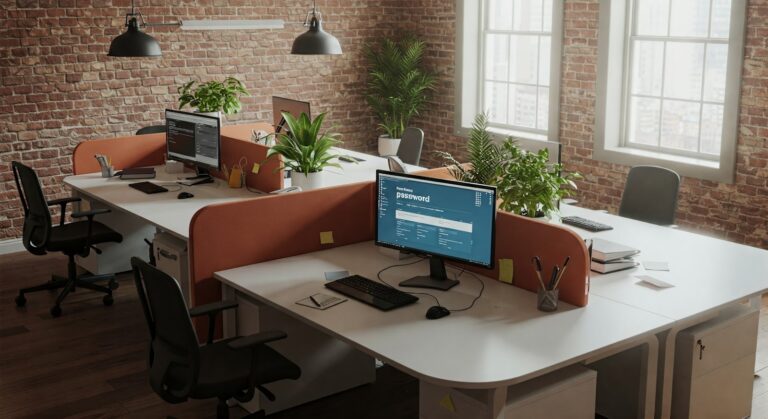
Having a dedicated workspace is the first step to creating separation between work and personal life. It doesn’t have to be a full office or a large room. It could be a specific corner, a desk setup by a window, or even a small table that you use only during work hours. What matters is consistency.
When you sit in that space, your mind begins to associate it with focus and structure. Try to avoid working from your bed or couch, as it confuses the mental boundary between rest and work. If space is limited, simple cues like good lighting, a comfortable chair, or a tidy desk can make a big difference. These physical signals help your brain shift into a professional mindset, even if you’re just a few feet away from your kitchen.
2. Keep Clear Work Hours and Respect Them
One major challenge of remote work is knowing when to stop. It’s easy to check one more email or finish one more task after dinner. Over time, this habit makes it difficult to switch off and recharge. Setting clear work hours — and sticking to them — is essential for both productivity and mental health.
Try to define a start and end time for your workday. Use an alarm or calendar reminder to mark when to begin and when to log off. Once your work hours end, close your laptop and step away. Let your colleagues know your availability to reduce unnecessary after-hours messages. Consistency builds discipline, and discipline creates balance.
3. Make Movement Part of Your Day
Working from home often means sitting for long stretches, which can lead to fatigue and lower productivity. Studies from the American Heart Association confirm that regular movement improves focus and overall health. You don’t need a gym to stay active — even short breaks can make a real difference.
Try standing during calls, stretching every hour, or taking a quick walk between meetings. Some remote workers set reminders to get up every 30 minutes. These small actions increase circulation, boost energy, and help you return to work feeling refreshed. Staying active isn’t only about fitness; it’s about maintaining steady focus and avoiding burnout over time.
4. Stay Connected to People Outside Your Screen
Remote work can easily become isolating. Without daily office interactions, many people experience social fatigue or disconnection. A 2022 Buffer survey found that loneliness is one of the top challenges for remote workers. To stay balanced, you need to make social interaction a deliberate part of your week.
Start by checking in with colleagues outside of meetings. Schedule virtual coffee chats or join online professional groups related to your work. If possible, work occasionally from a coworking space or meet friends for lunch. Human contact supports emotional health and helps you feel part of something beyond your to-do list. A few small efforts to connect can prevent remote work from feeling lonely or isolating.
5. Make Time for Personal Joy and Downtime
When home and work share the same space, personal time often disappears. It’s important to deliberately add activities that make you feel good outside of work. Whether that’s cooking, exercising, reading, or watching a favorite show, these breaks are essential for mental recovery.
Schedule downtime just as you would schedule a meeting. Treat it as non-negotiable. Having personal interests gives your day variety and keeps you from feeling like every hour is about work. Balance is not about working less; it’s about making space for the things that bring meaning and satisfaction to your life.
Working from home offers freedom and flexibility, but it also demands structure and awareness. Balance doesn’t happen naturally — it’s something you build through consistent actions. Defining your workspace, sticking to clear hours, managing distractions, and setting personal boundaries are practical steps that protect your focus and well-being.
Remember that small improvements add up. You don’t need to overhaul your entire routine in a week. Start by applying one or two changes and build from there. With time, your home can become both a productive workspace and a comfortable place to unwind — exactly the balance most remote workers strive for.