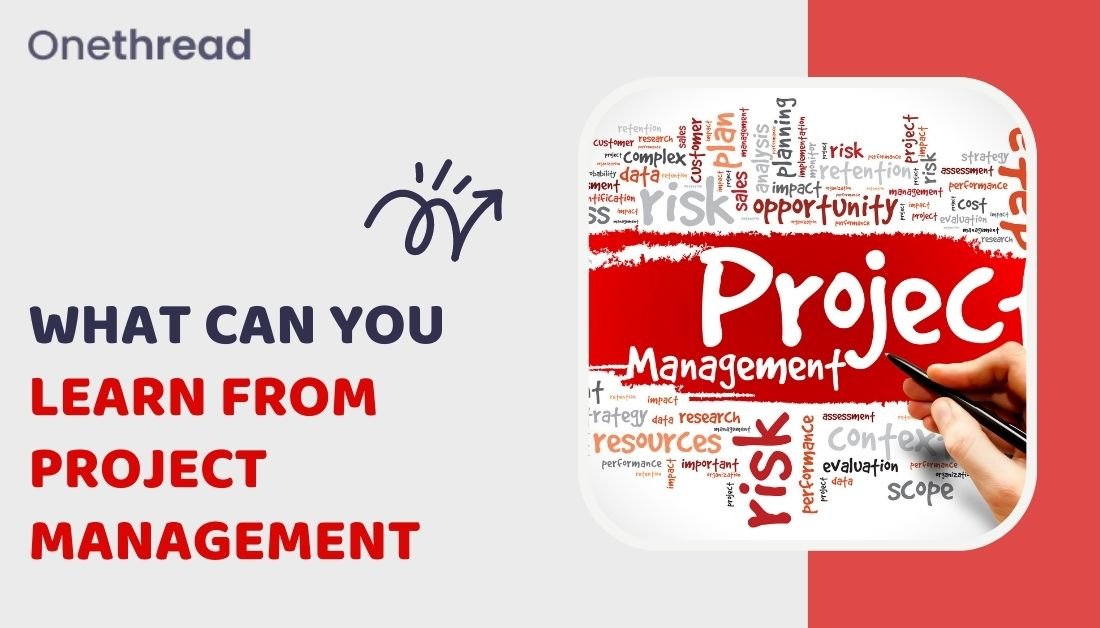
Project management teaches you how to make messy work more manageable. You learn to break a large outcome into smaller pieces, estimate effort, spot risks before they become emergencies, and keep several people moving in the same direction.

Those habits are useful far beyond formal projects. A client launch, an office move, a marketing campaign, or even a personal event all raise similar questions: what has to happen, who owns each part, what could delay it, and what does “finished” actually mean?
What can you learn from project management?
What is Project Management?
Project Management is the practice of turning a defined outcome into coordinated work. It brings together scope, people, time, budget, and communication so a team can move toward a result without losing track of priorities.
In real projects, the plan is only a starting point. You build a workable route, compare reality with that plan, and adjust when assumptions change. Good project management gives the team enough structure to respond well when something unexpected happens.
Who is a Project Manager?
A project manager sits between the plan and the people doing the work. They clarify the outcome, make ownership visible, watch dependencies, raise risks early, and keep stakeholders from being surprised. A large part of the job is making trade-offs before small problems turn into expensive ones.
You do not need the title “project manager” to benefit from these skills. Operations, marketing, product, engineering, customer success, and agency teams all rely on planning, coordination, and follow-through in their everyday work.
Advantages of Learning Project Management

Improved Career Prospects
That is why project-management experience can strengthen a career even outside a dedicated PM role. People who can organize ambiguous work, communicate across teams, and keep a deadline from drifting tend to become useful in almost any collaborative environment.
For people pursuing project management as a profession, credentials such as the PMP can provide a recognized way to demonstrate formal knowledge and experience. Certification is not a substitute for practical judgment, but it can support credibility in roles where employers specifically look for it.
Better Job Performance
The fastest improvement is often in day-to-day execution. Once a large deliverable is split into smaller tasks with owners and dependencies, the work becomes easier to discuss. If one task slips, you can see what else it affects instead of discovering the impact at the deadline.
Increased Salary
Specialized project-management skills and recognized certifications can support access to more senior or better-paid roles. Salary impact varies by industry, location, experience, and role, so it is better to treat certification as one career signal rather than a guaranteed pay increase.
Enhanced Problem Solving Skills
Projects rarely behave exactly as expected. Learning to isolate a problem, judge its impact, compare realistic options, and make a decision under time pressure builds a problem-solving habit that transfers well to other kinds of work.
Improved Organizational Skill
Organization also becomes more practical. Instead of keeping everything in your head, you learn to record owners, deadlines, decisions, and next actions. That reduces the amount of work lost simply because somebody forgot what was agreed.
Save Time & Money
Planning cannot remove every delay, but it can give you warning earlier. When a timeline, budget, or dependency starts moving in the wrong direction, the team has more choices: reduce scope, add help, change the sequence, or reset expectations before the problem gets larger.
Best Project Management Tools & Software
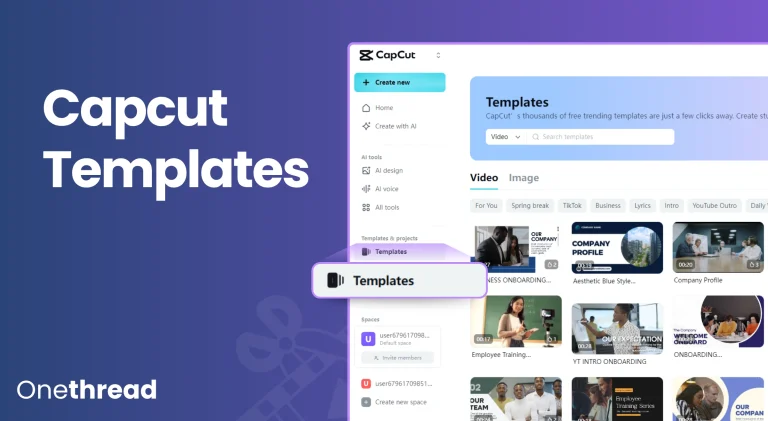
OneThread
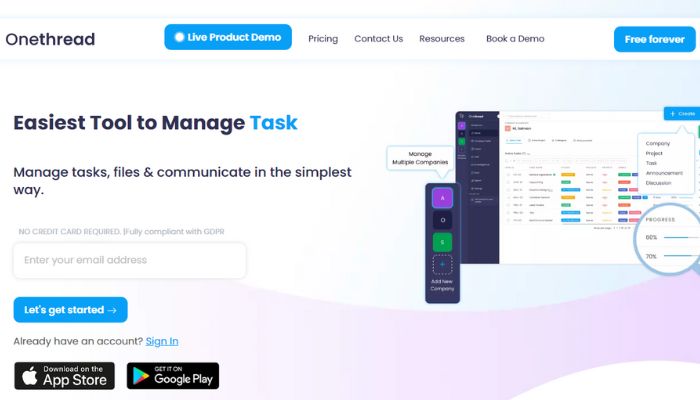
OneThread is positioned for small and growing teams that want project and task management without a heavy setup process. Its core toolkit includes:
- Dashboards
- Gantt Charts
- Scheduling
- Timesheets
- Project Baselines
- Real-Time Reporting
- Invoicing Features
Spreadsheets are fine for simple tracking, but they become awkward as projects gain more owners, dependencies, and status changes. A dedicated project tool gives everyone the same view of what is happening instead of maintaining several versions of the truth.
OneThread is free for teams of up to five users and charges $1.5 monthly for a team of 5 to 60 members. OneThread can provide teams with larger than 60 members with custom packages.
Jira
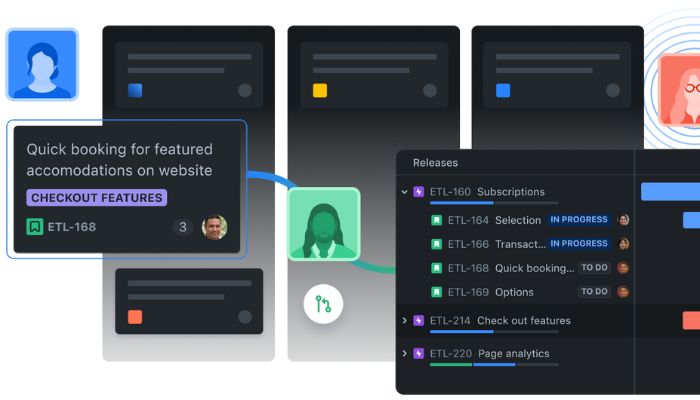
Jira feels natural to many software and technical teams because it is built around issues, backlogs, sprints, and configurable workflows. That flexibility is powerful, although teams outside engineering may need more setup before the system feels comfortable.
Asana
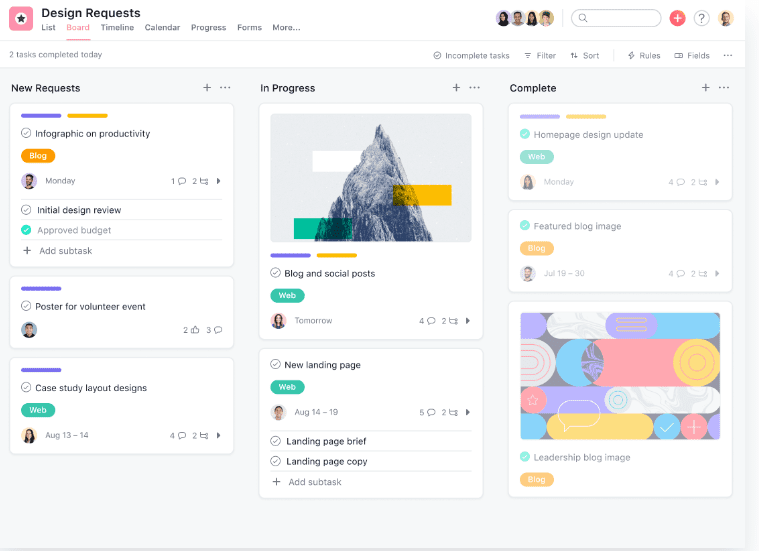
Asana is easier to approach for cross-functional teams that need clear tasks, owners, deadlines, and different project views. It offers more structure than a simple checklist without forcing teams into a highly technical workflow.
Trello
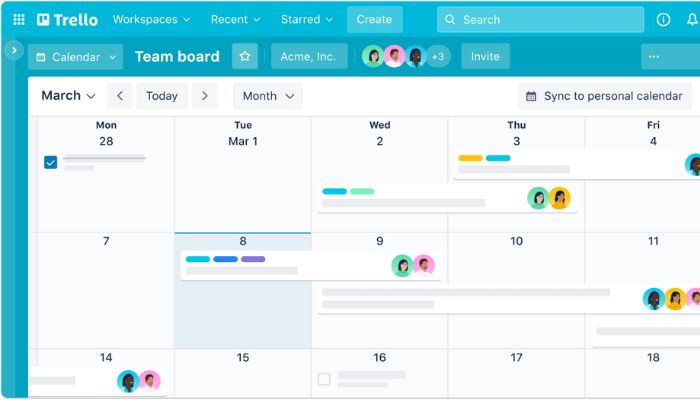
Trello uses boards and cards to make workflow status visible at a glance. It is easy to pick up for smaller teams and simple processes, although complex dependencies and portfolio-level reporting usually call for something more structured.
Clickup
ClickUp combines tasks, docs, dashboards, and several planning views in one workspace. That breadth can reduce the number of separate tools a team uses, but it can also take time to configure the workspace so people see only what they need.
Notion
Notion takes a different approach by mixing documents, databases, and lightweight project tracking. It suits teams that want notes and project information together and are comfortable designing their own workspace rather than following a fixed process.

So what do you really learn from project management? Mostly, how to turn an unclear piece of work into a sequence of decisions people can act on. Planning, prioritization, communication, risk awareness, and follow-through are valuable whether you manage projects for a living or simply need to get complicated work finished with other people.