Introduction
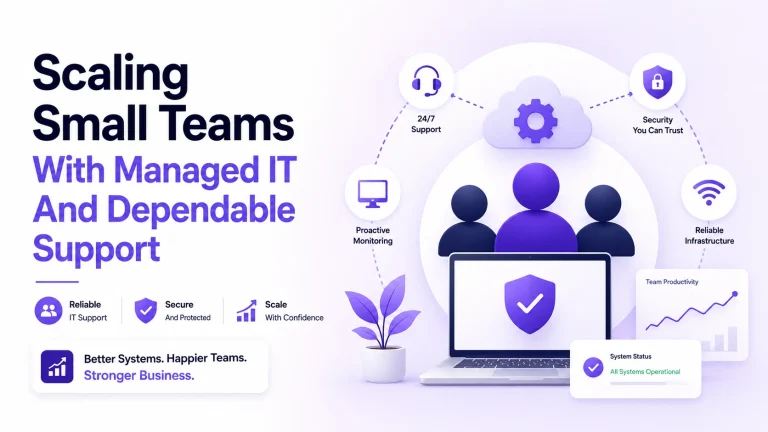
In today’s rapidly evolving digital landscape, small businesses face an array of IT challenges that can impact their growth and operational efficiency. From managing cybersecurity risks to maintaining up-to-date technology infrastructure, these demands often require resources beyond what many small businesses can allocate internally. This reality has led to a significant increase in IT outsourcing, a strategic move that allows companies to leverage expert services without the overhead of a large in-house team. But when exactly should a small business seriously consider outsourcing its IT functions? This article explores key indicators and practical considerations for making this decision, helping businesses optimize their technology investments for long-term success.
Recognizing the Need for IT Outsourcing
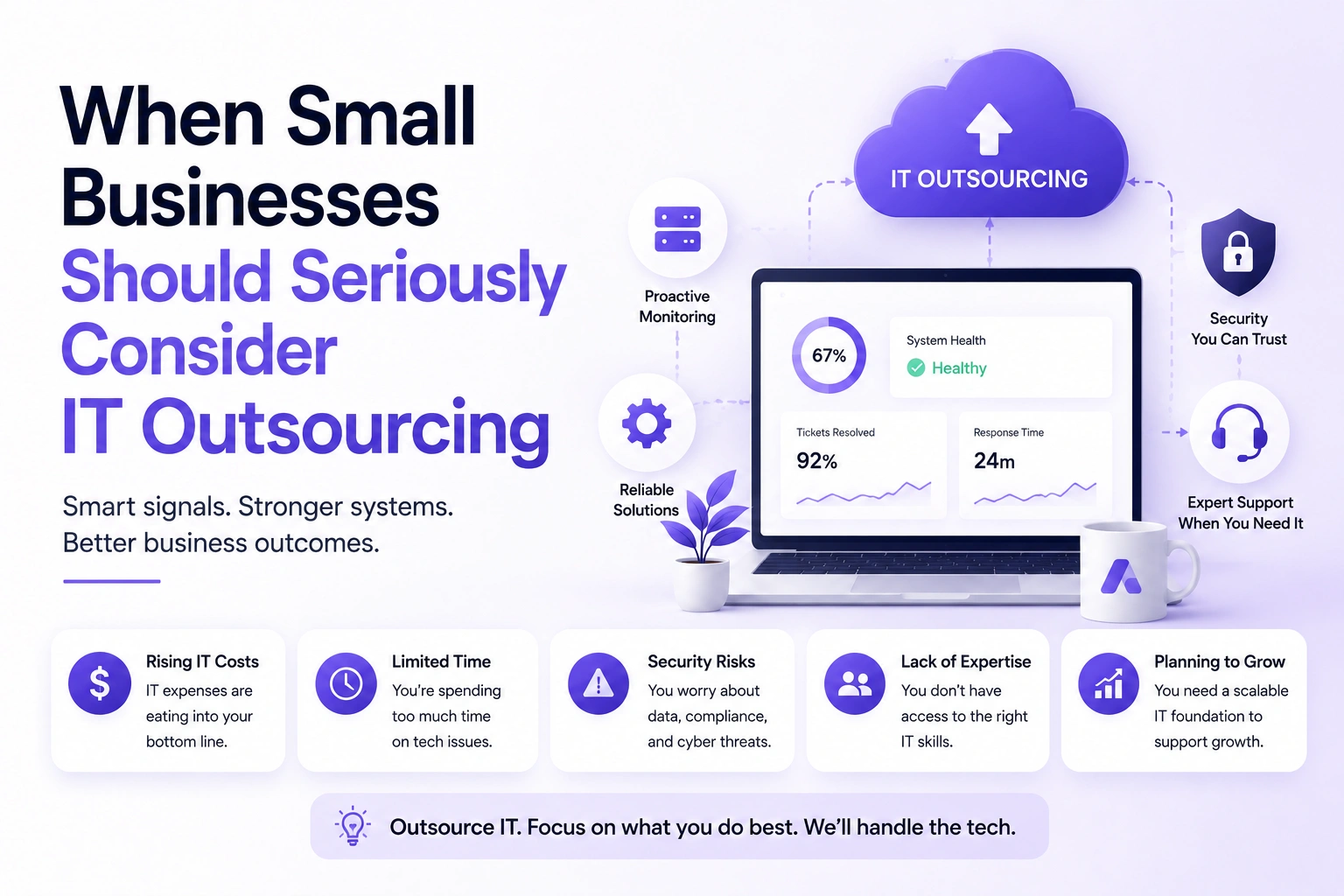
One clear sign that a small business should explore IT outsourcing is when managing technology begins to detract from core business activities. Many small businesses find themselves in a position where employees or managers, who are not IT specialists, are forced to handle technical issues. This can lead to inefficiencies and increased downtime. For instance, if your team spends more than 20% of their time troubleshooting IT problems instead of focusing on customer service or product development, it may be time to outsource IT to ChaceTech.
Another critical factor is the complexity of IT demands that outpace the expertise of your current staff. As businesses grow, so do their IT requirements, including network security, data backup, and software updates. Without specialized knowledge, small businesses risk data breaches or system failures. According to a report by IBM, the average cost of a data breach in 2023 reached $4.45 million, making robust IT management essential for businesses of all sizes.
Moreover, small businesses often underestimate the importance of proactive IT management. Reactive approaches to IT issues can lead to longer downtimes and higher costs. Outsourcing brings access to proactive monitoring, ensuring potential problems are addressed before they escalate. This shift from reactive to proactive IT management can be transformative for small businesses aiming to maintain operational continuity.
Evaluating Cost Efficiency and Resource Allocation
Budget constraints are a common challenge for small businesses, and IT expenses can quickly become unpredictable. Hiring full-time IT personnel may not be financially feasible, especially when considering salaries, benefits, and ongoing training. Outsourcing IT can offer a more predictable cost structure, turning fixed expenses into variable ones aligned with actual needs.
Moreover, small businesses often face seasonal or project-based IT demands. For example, a retail business may require heightened cybersecurity during peak shopping seasons or an accounting firm may need additional IT support during tax season. Leveraging a service provider through models like NSSAZ’s deployment model allows businesses to scale IT resources up or down, maximizing cost efficiency without sacrificing service quality.
A recent survey found that 59% of small and medium businesses reported cost savings after outsourcing their IT operations. This highlights the financial incentive behind outsourcing, beyond just alleviating workload.
Additionally, outsourcing can help small businesses avoid costly mistakes associated with IT mismanagement. For example, investing in the wrong technology or failing to comply with regulatory requirements can result in fines or operational setbacks. Outsourcing providers bring expertise that helps mitigate these risks, ensuring that IT spending aligns with business goals and compliance standards.
Access to Advanced Technology and Expertise
Technology is evolving at a breakneck pace, and staying current requires continuous investment in both hardware and software. Small businesses often struggle to keep up with these advancements, which can result in outdated systems that hinder productivity or expose vulnerabilities.
IT outsourcing providers specialize in maintaining and upgrading technology infrastructure, ensuring small businesses benefit from the latest innovations without the hassle of managing them directly. They also bring access to certifications and expertise that might be out of reach for smaller teams. This expertise is critical when implementing complex solutions like cloud migration, cybersecurity frameworks, or compliance measures specific to certain industries.
For example, companies that partner with outsourcing firms report better incident response times and fewer security breaches. According to a Ponemon Institute study, organizations using managed security services experience 40% fewer successful cyberattacks.
Outsourcing also opens doors to specialized knowledge in emerging technologies such as artificial intelligence, machine learning, and automation. Small businesses that leverage these innovations through outsourcing can improve efficiency and gain competitive advantages that would otherwise require significant investments in talent and infrastructure.
When to Consider Outsourcing IT: Specific Scenarios
1. Rapid Growth or Expansion: Small businesses scaling operations often face new IT challenges that require flexible, scalable solutions. Outsourcing provides access to a broad talent pool and infrastructure that can adapt quickly to changing demands.
2. Limited In-House Expertise: If your business lacks dedicated IT staff or if existing staff lack specialized skills, outsourcing can fill these gaps efficiently.
3. Cybersecurity Concerns: With cyber threats becoming more frequent and sophisticated, outsourcing to experts can help safeguard sensitive data and ensure compliance with regulations.
4. Desire to Focus on Core Business: When IT management becomes a distraction, outsourcing allows leadership and staff to concentrate on strategic initiatives that drive growth.
5. Need for 24/7 Support: Many outsourcing providers offer round-the-clock monitoring and support, which is often unattainable for small businesses managing IT internally.
6. Regulatory Compliance Requirements: Certain industries, such as healthcare and finance, must adhere to strict data protection standards. Outsourcing IT to firms familiar with these regulations can help avoid costly compliance issues.
7. Disaster Recovery and Business Continuity: Small businesses that lack robust disaster recovery plans can benefit from outsourcing providers who specialize in backup solutions and rapid recovery strategies, minimizing downtime during unexpected events.
Choosing the Right IT Outsourcing Partner
Deciding to outsource is only the first step; selecting the right partner is equally crucial. Businesses should evaluate providers based on their industry experience, service offerings, response times, and cultural fit. Transparent communication and clear service-level agreements (SLAs) help set expectations and build trust.
Exploring options can provide insights into different deployment models and service scopes, enabling small businesses to find tailored solutions that align with their unique needs.
It is also important for businesses to assess the provider’s security protocols and compliance certifications, especially when handling sensitive data. Requesting client references and case studies can offer valuable perspectives on the provider’s reliability and performance.
Furthermore, consider the provider’s flexibility and scalability. As business needs evolve, the outsourcing partner should be able to adjust services accordingly without significant disruptions or cost increases.
Conclusion
Outsourcing IT is no longer just a cost-cutting measure; it is a strategic decision that can empower small businesses to compete effectively in a technology-driven marketplace. When a business faces increasing IT complexity, resource constraints, or security challenges, it should seriously consider partnering with an experienced outsourcing provider. By doing so, small businesses can enhance their operational efficiency, access advanced technology, and focus on what truly matters-their customers and growth.
In a world where technology is a critical driver of success, knowing when to outsource IT can make all the difference. Small businesses that recognize this opportunity stand to gain a competitive edge and position themselves for sustainable growth.
By carefully evaluating their unique circumstances and understanding the benefits of IT outsourcing, small businesses can make informed decisions that align technology investments with broader business objectives. This strategic approach ensures that IT becomes a catalyst for growth rather than a hurdle to overcome.