Understanding Compliance Readiness as a Project
Approaching a certification audit can often feel overwhelming due to its complexity and the high stakes involved. However, viewing compliance readiness as a structured project plan can demystify the process and increase your chances of success. By breaking down the audit into manageable tasks and gathering the necessary evidence systematically, organizations can navigate audits efficiently while minimizing last-minute scrambles.
Compliance readiness requires more than just checking boxes; it demands an integrated and proactive strategy that aligns with your organization's operations and risk management goals. In this sense, managing your certification audit as a project allows you to allocate resources effectively, set realistic timelines, and monitor progress continuously.
One critical resource to streamline this process is having reliable support. For example, a 24/7 tech helpdesk by Network 1 can be invaluable for troubleshooting and resolving technical issues swiftly, ensuring that your compliance systems remain operational and secure throughout your readiness efforts.
Moreover, treating compliance as a project encourages cross-functional collaboration. Compliance efforts often involve multiple departments - IT, legal, HR, and operations - each contributing unique expertise and documentation. A project plan fosters communication and coordination among these teams, reducing silos and ensuring all aspects of the audit are addressed comprehensively.
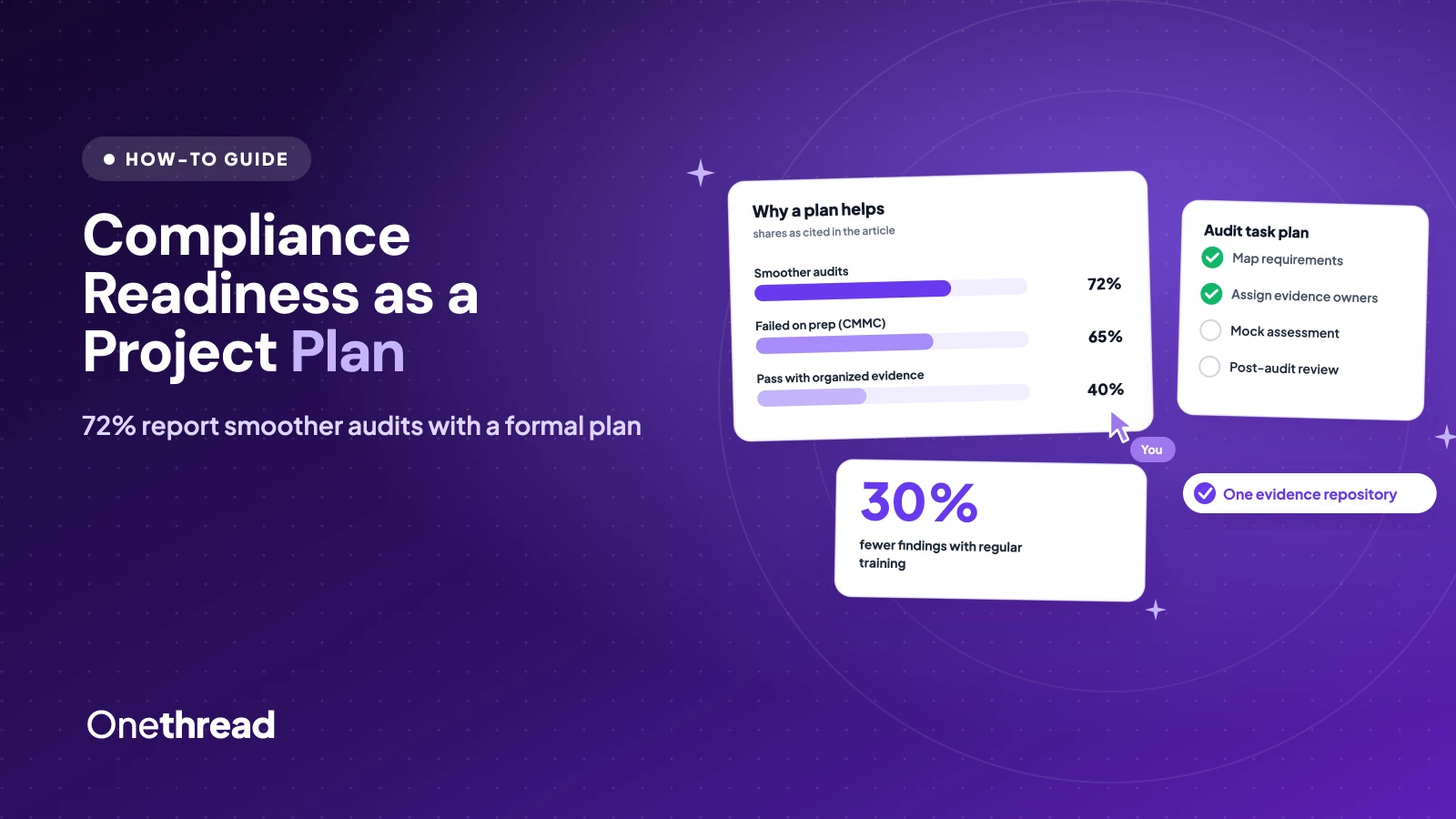
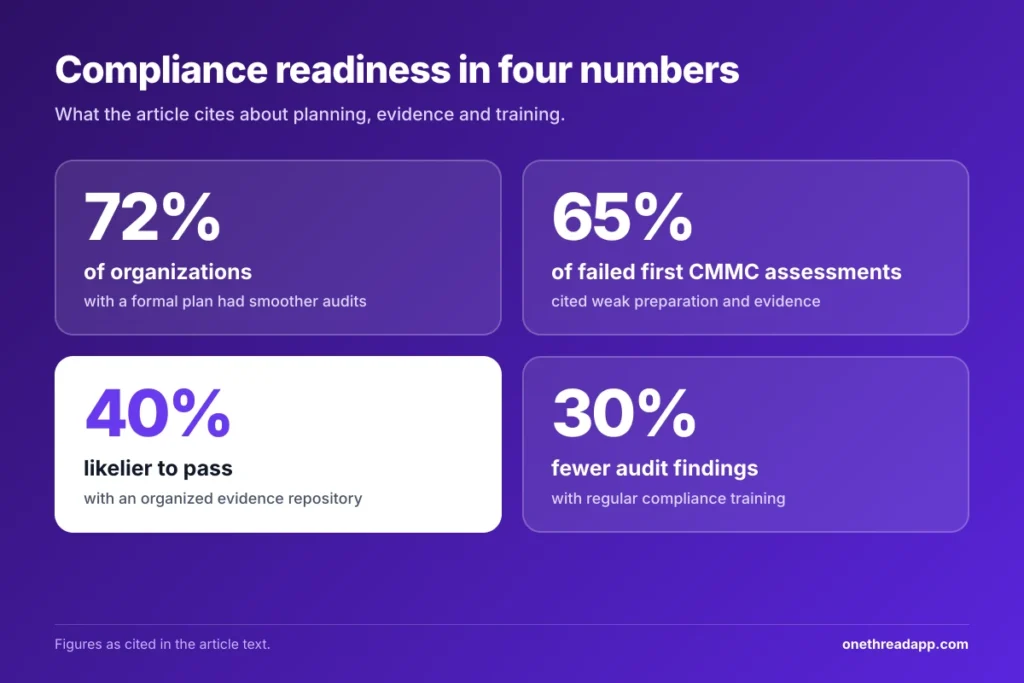
Recent industry studies highlight the importance of a structured approach: 72% of organizations that implemented formal compliance project plans reported smoother audit processes and fewer last-minute issues. This statistic reinforces the value of project management principles in compliance readiness.
Mapping Out the Certification Audit Process
The first step in transforming compliance readiness into a project plan is understanding the audit’s scope and requirements. This includes identifying applicable standards, such as CMMC (Cybersecurity Maturity Model Certification), HIPAA, or ISO frameworks, and breaking down their criteria into distinct tasks.
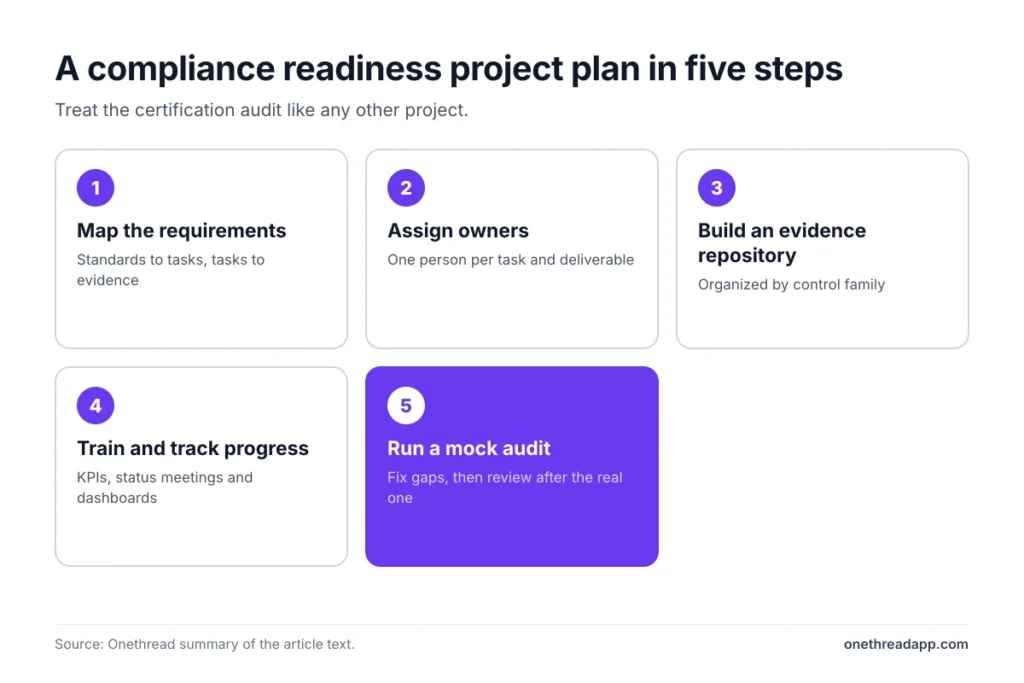
A practical approach involves creating a detailed checklist that maps each audit requirement to specific deliverables or evidence types, such as policy documents, system configurations, training records, or incident response plans. Assigning responsibility for each task to team members ensures accountability and facilitates progress tracking.
To illustrate, consider the initial phase of a CMMC audit. Organizations often underestimate the preparatory work involved. According to a recent report, 65% of companies that failed their first CMMC assessment cited inadequate preparation and evidence collection as primary reasons. This statistic underscores the importance of a well-structured readiness plan.
In addition to checklists, organizations should develop a compliance roadmap that sequences tasks logically, prioritizing critical controls and addressing dependencies. For example, access controls must be implemented before evidence of their effectiveness can be collected. This sequencing helps avoid bottlenecks and ensures a steady pace toward audit readiness.
To deepen your understanding and avoid common pitfalls, reviewing expert insights like CSS on CMMC readiness can provide valuable guidance on the necessary steps before walking into an assessment.
Breaking Down Tasks and Assigning Evidence
Once the audit requirements are mapped out, the next step is to break them down into specific, actionable tasks with clearly defined evidence types. For instance, if the audit requires demonstrating access control policies, tasks might include drafting the policy, implementing the controls in IT systems, training staff, and compiling logs or screenshots as evidence.
Using project management tools to track these tasks can enhance visibility and coordination across teams. Setting milestones aligned with audit deadlines helps maintain momentum and identifies bottlenecks early.
Evidence collection is often the most challenging part of compliance readiness. It’s essential to establish a centralized repository where all documentation and artifacts can be stored securely and accessed easily by auditors. This repository should be organized logically, for example, by control families or audit sections, to facilitate efficient review.
A well-structured evidence collection plan also reduces the risk of missing critical documentation. According to industry data, organizations that maintain organized evidence repositories are 40% more likely to pass their first compliance audit. This highlights how systematic documentation management directly impacts audit outcomes.
Beyond mere collection, evidence quality matters. Documentation should be current, clearly labeled, and directly linked to specific audit criteria. For example, a policy document should include version history and approval signatures. System logs should have timestamps and reflect relevant activities. These details help auditors verify compliance confidently and reduce the need for follow-up questions.
Leveraging Technology and Support for Compliance Success
Technology plays a pivotal role in managing compliance projects effectively. Automated tools can assist in task tracking, evidence management, and reporting, providing real-time insights into readiness status. Integrating these tools with your existing IT infrastructure helps streamline workflows and reduce manual errors.
For example, compliance management software can automate reminders for task deadlines, generate audit-ready reports, and maintain an audit trail of changes. These capabilities not only save time but also improve accuracy and transparency.
Additionally, having access to expert support, such as a dedicated helpdesk or technical advisor, ensures that technical challenges are addressed promptly, preventing delays that could jeopardize audit timelines. Support teams can also provide guidance on best practices for system configurations and security controls, enhancing your compliance posture.
Training and awareness programs should also be scheduled as part of the project plan. Ensuring that employees understand compliance requirements and their roles in maintaining security controls reduces the risk of non-compliance due to human error.
Statistics show that organizations investing in regular compliance training reduce audit findings by up to 30%. This underscores the importance of integrating education into your compliance project plan.
Monitoring Progress and Preparing for the Audit Day
Regular progress reviews are essential to keep the compliance project on track. Project managers should hold status meetings to review completed tasks, outstanding issues, and upcoming deadlines. This iterative process allows for adjustments and resource reallocation as needed.
Tracking key performance indicators (KPIs), such as percentage of completed tasks, evidence uploaded, or training sessions conducted, provides quantifiable measures of readiness. Dashboards that visualize these metrics help stakeholders stay informed and engaged.
As the audit date approaches, conduct internal audits or mock assessments to identify gaps and refine evidence presentation. These dry runs not only build confidence but also highlight areas needing last-minute attention.
On audit day, having all evidence organized and readily accessible, along with knowledgeable personnel available to answer questions, can make a decisive difference. Clear communication and transparency with auditors foster trust and facilitate a smoother audit experience.
A post-audit review should also be incorporated into the project plan. Analyzing audit findings and feedback enables continuous improvement, helping your organization maintain compliance and prepare efficiently for future audits.
Conclusion
Transforming compliance readiness into a project plan by breaking down certification audits into tasks and evidence collection activities is a strategic approach that improves efficiency and success rates. By leveraging structured workflows, technology, and expert support, organizations can demystify the audit process and achieve certification with greater confidence.
Remember, compliance is not a one-time effort but an ongoing commitment. Building a culture of readiness and continuous improvement ensures that your organization remains resilient in the face of evolving regulatory requirements and emerging threats.
By embedding compliance into everyday operations and managing audits like projects, organizations can reduce stress, optimize resource use, and ultimately safeguard their reputation and business continuity. The disciplined approach of task breakdown, evidence management, and proactive support transforms audit readiness from a daunting challenge into a manageable, successful endeavor.